Snow Event Operations for Parking Facilities: Plowing Coordination, Closure Communication and Refund Policy
How parking operators can prepare for snow events: plowing contracts, closure communication, liability basics and a refund policy decided before the first storm.
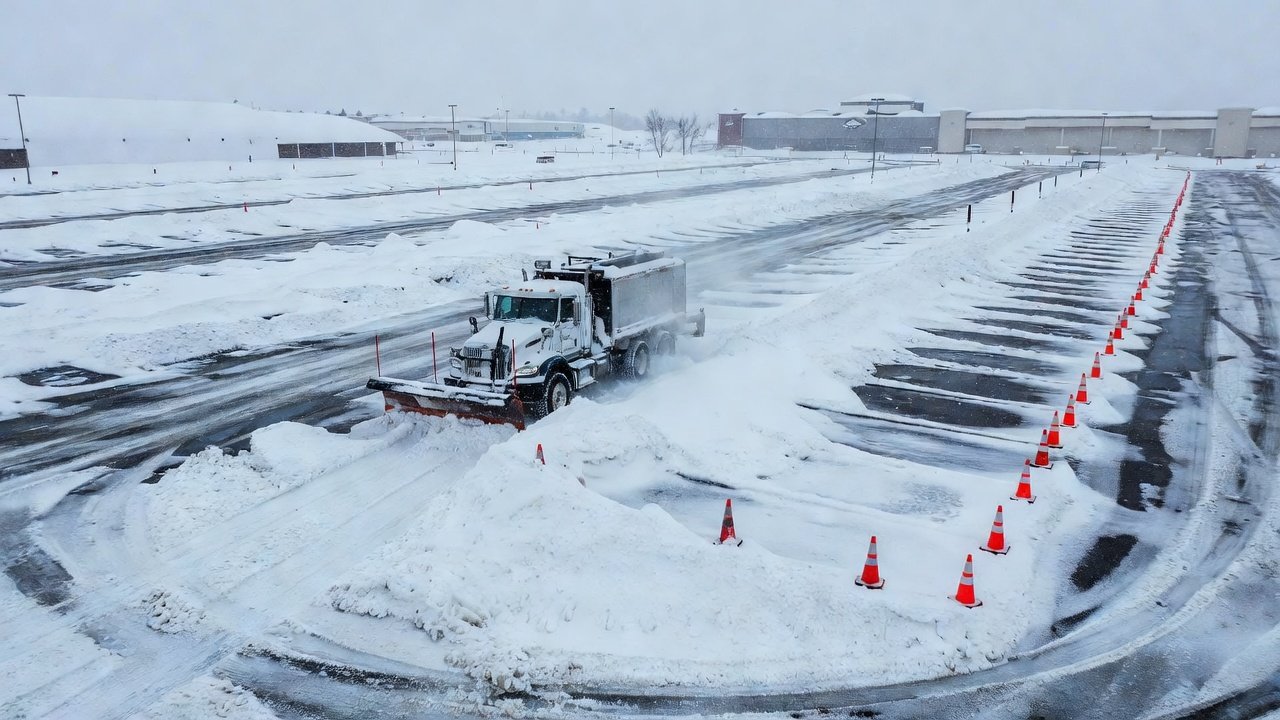
A snow event tests three things at once: whether the lot can be cleared, whether customers know what is happening, and whether you have already decided what you will do about the people whose plans it ruined. Operators who work those out in October handle the first storm as routine. Operators who work them out in the storm end up improvising refunds at the booth.
Plowing coordination starts with the contract
Public bid documents show how organizations that manage lots write their snow terms. They are a useful checklist, even though the examples we reviewed are from several different years and jurisdictions and are not an industry standard. Check current terms for your own market.
Common provisions include:
- A clear trigger. One Maine facility bid calls for clearing once accumulation reaches two inches or more, with the lot reasonably clear by 6:00 a.m. Decide your own trigger and write it down, because “when it looks bad” is not enforceable.
- Mobilization time. A Bend, Oregon contract gives the contractor two hours from the call to mobilize and arrive. Ask what your contractor will commit to, and what happens when they are serving a dozen other properties at the same time.
- Return visits. Heavy storms may need several passes. Another bid expects the contractor to return to plow and sand more than once depending on storm severity and duration. Spell out whether repeat passes are billable.
- Pricing structure. A Wisconsin city RFP priced plowing per lot, per occurrence, and treated de-icing as a separate per-event unit price. Know which of your costs are fixed and which scale with storm count.
- Damage responsibility. A Juneau, Alaska solicitation makes the contractor answerable for damage to posts, signs, fences, pavement and vehicles from plowing, stacking and removal, and asks the facility to document conditions with photos or video before the season. Do that walk-through in November: photograph gate arms, bollards, signs, curbs and light poles.
Beyond the contract, plan where snow goes. Piles that block sightlines at an exit lane, cover payment kiosks or bury drains create next week’s problem. Mark stacking zones on a site map and give the contractor a copy.
Know where liability sits
Premises liability for snow and ice is state law, and it varies. Examples from reported cases illustrate the range, but they are not a substitute for your counsel’s view.
Illinois starts from a no-duty baseline for natural accumulations, though claims can proceed where the pavement itself is defective. In a 2020 Tennessee case, a hotel won summary judgment after a guest slipped during ongoing snowfall, because the owner had no duty to clear snow while it was still falling, though Tennessee generally expects reasonable steps within a reasonable time afterward. New York courts have looked at who controlled the lot and whether a lease or contract assigned snow removal, and have found owners liable for water-driven ice caused by cracked pavement.
The recurring questions are who controlled the lot, whether the condition was natural or made worse, whether it was addressed within a reasonable time, and whether the owner had notice. Your best defense is a log: time of storm start, contractor call, arrival, passes completed, de-icer applied and any inspections afterward.
For your own staff, OSHA’s winter weather guidance says employers should clear snow and ice from walking surfaces and apply deicer as quickly as possible after a storm, and that workers who must walk on snow or ice should use traction footwear and take short, slow steps. Attendants in booths and on foot are covered by that.
Closure communication
When you close a lot, a level, or a lane, tell people through every channel they use, and tell them early.
- Decide the triggers. Who can order a closure, and on what basis? Name the person, with a backup.
- Use the same message everywhere. Website banner, pay-by-phone app listing, social media, a recorded phone message and on-site signage should all say the same thing, including the reopening plan if you have one.
- Reach monthly and reserved customers directly. Email or text them. They are the people most likely to arrive expecting a space.
- Update, even when nothing has changed. A note saying “still closed, next update at 4 p.m.” prevents calls.
Timing is the lesson from municipal examples. After a late-night parking ban in January 2016, Worcester, Massachusetts granted general forgiveness for tickets and reimbursed towing, citing that the timing of the declaration did not give residents enough time to move their vehicles. Late notice is what turns an operational decision into a refund obligation.
Set a refund policy before the storm
Refunds in snow events are discretionary, and the examples show the usual pattern: void unpaid penalties, refund paid ones, and sometimes cover towing. Washington, D.C., voided unpaid snow emergency route tickets from January 2016 and refunded paid ones, but left towing and storage fees in place. Worcester went further and reimbursed towing through a claim process requiring proof of payment; a Boston news report said that could cost up to $44,000 from the snow budget. Those are municipal enforcement actions, not parking-facility refunds, but the policy questions are the same.
Write a policy that answers:
- Prepaid daily and event parking: refund or credit if you close or cannot deliver the space?
- Monthly permits: prorate for closed days, or hold that the permit covers access when open?
- Customers who park and then cannot exit: waive the fee when your clearing delay is the cause?
- Vehicle damage claims: who handles them, and what documentation is required?
- Claim process: a short form with a deadline, so you are not negotiating by phone.
Get the policy reviewed by counsel, post it on your site before the season, and apply it consistently. A rule stated in advance avoids both unfairness and cost: customers see that a refund is not a favor, and staff do not have to decide in the moment.
The pre-season checklist
Before the first forecast storm: signed contract with trigger, response time and damage terms; November photo documentation; snow storage map; closure decision-maker named; communication templates drafted; refund policy published; staff traction gear issued. Check each against a named owner, and the first storm becomes a procedure rather than an emergency.