Ski Season Parking Reservations: What Snowbird's Rolling Passholder Reservations Teach Other Operators
Snowbird's reported rolling reservations for passholders offer lessons in allocation, fairness and demand control for any operator managing scarce, high-demand parking.
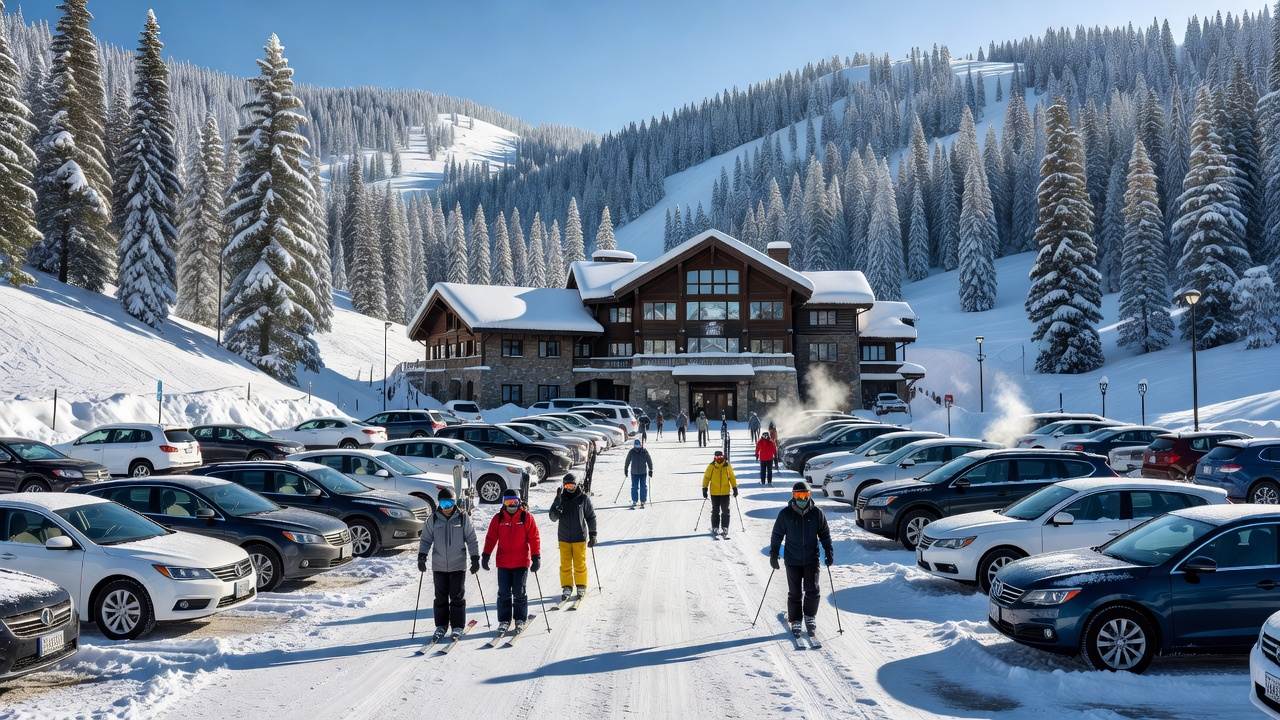
When there are far more people who want a space than there are spaces, first-come, first-served stops being a policy and becomes a race. Ski resorts have known this for years, and the way Snowbird in Utah handles parking is a useful case study for any operator with a constrained lot, whether you run a stadium, a hospital campus or a downtown garage with a waiting list.
A note on sourcing: details of Snowbird’s newest program come mainly from one trade-press report dated September 24, 2026, from Unofficial Networks. We could not find an official Snowbird page confirming them. Check snowbird.com/parking before you rely on any specific rule.
What Snowbird has reportedly announced
According to that report, Snowbird will operate its Upper Gad Valley Lot as a reservation-only parking area in the 2026-27 season, with a free reservation benefit for eligible season passholders. The structure is what makes it interesting:
- Passholders can hold one active reservation at a time.
- After using it, they can book another for a future day.
- More reservations open on a rolling basis as space allows.
Elsewhere, the report says most parking remains free and first-come, first-served, with named areas such as Entry 1, Wilbere Hill and the Main Lot, and paid reservations continue in areas that include Lower Gad Valley, the Pond Lot and Chickadee Lot. Roadside parking on State Route 210 depends on conditions, with the Utah Department of Transportation determining availability each day.
That is a layered system: some inventory free and unreserved, some paid and reserved, and some reserved as a benefit. It builds on the 2025-26 season, when Snowbird sold paid reservations for lots including the Pond Lot, Valet Lot and Lower Gad Lot, with its FAQ saying most inventory would be reservable for visits on or after December 15, and a $1,299 Preferred Parking Pass that sold out. The earlier pass and the newer rolling benefit make different trade-offs, which is the point.
Why one active reservation at a time works
The one-at-a-time rule solves a problem every reservation system eventually has: hoarding. If a customer can book twenty future days, the early bookers take the best inventory, the lot looks full on paper, and then a share of those bookings go unused. A limit of one active reservation keeps inventory circulating. Each customer’s next booking depends on using the last one.
Operators can borrow the idea in several settings:
- Event and stadium parking. Limit open reservations per account so a handful of resellers cannot absorb inventory.
- Employer and campus lots. A rolling window gives more people access across a week than a fixed assignment.
- Monthly-permit waitlists. A rule that frees up unused passes quickly and re-offers them keeps the waiting list moving.
The caution is that a restriction needs to be explainable. Customers will accept a limit if it is clearly stated and visibly applied to everyone. They will not accept one that seems to appear and disappear.
Fairness is part of the product
Parking allocation is an equity question as much as a revenue one. Snowbird’s mix of free first-come areas, paid reservations and a passholder benefit gives different customers different routes to a space. That reduces the pressure on any one mechanism, but it also means each route has to be understandable.
When you design your own tiers, ask:
- Who is the inventory for? Frequent visitors, one-time visitors, or both? Name the priority.
- What does each route cost the customer in time and money? A free route that requires arriving at 6 a.m. is not free.
- What is the fallback? The customer without a reservation needs a clear answer about what happens on arrival.
Operational details that make or break a program
Reservations create obligations. Customers who booked expect a space, and that changes the operating model.
- Enforcement at the lot. Someone has to verify reservations, and plate-based or QR-based validation reduces disputes.
- No-show handling. Decide when an unused reservation is released and whether the customer is penalized. A short, stated grace period is usually easier to defend than a vague one.
- Overbooking. Selling slightly more reservations than spaces can raise utilization, but it creates a failure case where a booked customer has no space. If you do it, define what you owe them.
- Weather and road closures. For mountain resorts, conditions can change access with little notice. Snowbird’s roadside arrangements, for instance, depend on UDOT decisions made day by day. Your reservation terms should state what happens when you or a public authority closes access.
- Data. Track bookings, redemptions, no-shows and walk-up demand by day. That data is what tells you whether to release more inventory on a rolling basis.
Alternatives to parking inventory
Snowbird also supports ways of reaching the resort without parking. The same coverage notes carpool parking for vehicles with three or more passengers in 2025-26 and UTA’s ski bus service, free for passholders and $5 a ride for other riders in 2025-26. Those figures are from last season, so confirm current ones. The principle holds for any operator: if you cannot add spaces, you can manage the number of cars through carpool priority or transit links.
What to take from it
You do not need a mountain to use these ideas. Start by listing your most contested space: the lot or time block that fills every time. Decide who it is for. Then test one change, such as a cap on advance bookings per account, a rolling release of inventory or a short no-show window, and measure the result against utilization, complaints and revenue. Fix what the data shows, then publish the rules so customers can see exactly how they work.